Using the Right Angle Weave in Beadwork Embroidery
As an embroidery designer with years of experience in crafting for craft fairs and handmade markets, I’ve seen countless designs come and go. But one technique that consistently stands out is the Right Angle Weave (RAW) in beadwork embroidery. This class offers a unique approach to embellishing beaded embroidery pieces, making it a valuable addition to any creative entrepreneur’s toolkit.
The First Impression: Elegant and Versatile
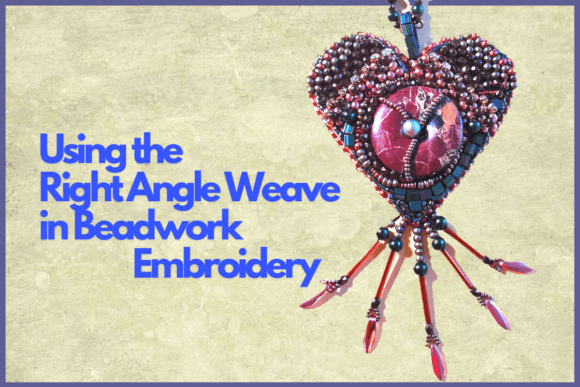
From the title alone, Using the Right Angle Weave in Beadwork Embroidery suggests a design that’s both intricate and refined. The description hints at a heart-shaped pendant with fringes and a bail, which immediately evokes a sense of elegance and craftsmanship. This design feels premium, perfect for handmade products that aim to stand out on a craft fair table or in an Etsy shop.
Where It Shines: Tote Bags, Aprons, and More
When considering where Using the Right Angle Weave in Beadwork Embroidery would shine, several products come to mind. On a tote bag design, it could serve as a bold focal point, catching the eye of passersby. For apron embroidery, it adds a touch of sophistication that elevates the overall look. Tea towel embroidery could benefit from its decorative flair, while embroidered patches might use it as a standout detail.
- Tote bags: A large, eye-catching design that draws attention
- Aprons: Adds a refined, handmade quality
- Tea towels: Offers a decorative element without overwhelming the fabric
- Cap embroidery: Works well on curved surfaces when properly adjusted
- Fabric pouches: Perfect for small, detailed accents
Practical Selling and Production Points
For craft fair sellers and Etsy sellers, the practicality of a design is key. Using the Right Angle Weave in Beadwork Embroidery is easy to understand at a glance, making it ideal for quick decision-making at a booth. It can work as a small accent or a larger focal piece, depending on the product and customer preference.
Photographing this design for online listings is straightforward, especially if the thread colors contrast well with the fabric. However, it’s important to consider how it appears at smaller sizes—some details may get lost if not optimized for scale. Batch production is feasible, but careful attention must be paid to stitch density and stabilizer use to ensure consistent results.
Careful-Use Notes for Craft Fair Products
While Using the Right Angle Weave in Beadwork Embroidery is visually appealing, there are some considerations to keep in mind. Dense stitch areas may cause fabric puckering, so testing on scrap fabric is essential. Tiny details and small lettering may not translate well on thick or textured fabrics like towels. On dark fabrics, thread contrast becomes even more critical to maintain visibility.
Curved cap surfaces require adjustments to the design to ensure proper placement. For commercial embroidery, confirm that the digital embroidery file is compatible with your machine and that you have the necessary licensing to sell finished products.
Boosting Visual Appeal and Customer Engagement
This design has the potential to significantly boost the visual appeal of handmade products. Its intricate patterns and beadwork elements create a sense of luxury that customers often associate with high-quality craftsmanship. On a booth display, it can act as a conversation starter, drawing in buyers who appreciate unique, handcrafted items.
For brand consistency, Using the Right Angle Weave in Beadwork Embroidery can be used across various products, creating a cohesive aesthetic. As a small shop product, it adds value by offering something that stands out in a crowded market. For Etsy sellers, it provides a competitive edge with its detailed, customizable nature.
Embroidery Designer Notes for Success
To ensure the best results, test the design on different fabric textures before committing to production. Check thread colors against the fabric to avoid washout or poor visibility. Review spacing and stitch density to prevent overcrowding or gaps. Confirm the hoop size required for your machine and use the right stabilizer to keep the fabric taut during stitching.
Create at least one real mockup to see how the design looks in person. Compare fabric colors to ensure the design complements the item. Finally, verify commercial licensing terms for the embroidery file before selling finished products.
Final Thoughts: A Must-Have for Creative Entrepreneurs
Using the Right Angle Weave in Beadwork Embroidery is more than just a design—it’s a versatile tool that can elevate a wide range of handmade products. Whether you’re preparing for a craft fair, updating your Etsy listings, or expanding your boutique offerings, this technique offers both aesthetic and practical benefits.
As an embroidery designer, I recommend incorporating this design into your collection. With the right approach, it can become a signature piece that attracts attention, commands higher prices, and sets your products apart in a competitive market.